
"main production"
30000 article(s) found

Why coffee beans are mainly produced in Africa? introduction to the production process of characteristic varieties of coffee beans
Why coffee beans are mainly produced in Africa? introduction to the production process of varieties. Some people in C ô te d'Ivoire say it is the third largest coffee producer in the world after Brazil and Colombia, but others say it is Indonesia. But what is certain is that its original Robusta production is the first in the world. The main producing area is in the south, producing Robusta original medium-sized coffee beans.

Introduction to the main economies of the coffee-producing countries of Venezuela
Venezuela's main economic source industry is relatively developed, focusing on the development of iron and steel, petrochemical, aluminum smelting and other industries since the 1970s. Agricultural arable land accounts for only 7.1% of the arable land area, mainly producing corn, rice, coffee, cocoa, sugar cane, cotton and so on. Animal husbandry is mainly cattle raising, and agricultural and animal husbandry products are not self-sufficient. Crude oil and its products account for more than 90% of the total export value, followed by iron

Introduction to the production process and main ingredients of coffee
Caffeine, the main ingredient of coffee: has a particularly strong bitter taste and stimulates the central nervous system, heart and respiratory system. Appropriate amount of caffeine can reduce muscle fatigue and promote digestive juice secretion. It promotes kidney function, has a diuretic effect, and helps the body expel excess sodium ions from the body. Tannic acid: the boiled tannic acid will decompose into pyrouric acid, so the coffee brewed for too long

Ugandan Coffee Flavor Ugandan Coffee Taste introduction to Ugandan coffee producing areas
Uganda's coffee production ranks first in Africa, accounting for more than 70% of its total exports. Uganda is also the hometown and main producing area of Robes specialty coffee. In the 1960s, Ugandan coffee production remained at 3.5 million bags a year. By the mid-1980s, coffee production had dropped to 2.5 million bags a year, mainly for political reasons. But now coffee production is on the rise again, which is large at present.

The main reason for drinking coffee while it is hot is what kind of fine coffee is introduced.
Coffee is Nicaragua's main export. According to the president of the Nicaraguan Coffee Farmers' Federation, due to the poor harvest of coffee in Nicaragua's Pacific region, the country's total coffee production in 1998 may be 12% lower than that in 1997. In the coffee year of 1997 and 1998, Nicaragua harvested 1.422 million bags of coffee (each bag of 46kg), which has been producing 1% of coffee in the past 14 years.

Coffee basic knowledge Coffee production process and main ingredients
The coffee production process from the coffee fruit to the coffee in the cup requires a complex processing process. Coffee beans: peel the coffee beans from the coffee fruit. Roasting: is to cultivate the taste of coffee beans and mellow processing. The excellent roasting process allows the coffee beans to completely volatilize their unique taste and aroma. Grinding: grind roasted coffee beans into particles. Extract

Nicaraguan Coffee Bean introduced by Manors in main Coffee producing areas of Nicaragua
Coffee is Nicaragua's main export. According to the president of the Nicaraguan Coffee Farmers' Federation, due to the poor harvest of coffee in Nicaragua's Pacific region, the country's total coffee production in 1998 may be 12% lower than that in 1997. In the coffee year of 1997 and 1998, Nicaragua harvested 1.422 million bags of coffee (each bag of 46kg), which has been producing 1% of coffee in the past 14 years.

Introduction to the characteristics of manor flavor and taste in the main producing areas of Nicaraguan coffee
Coffee is Nicaragua's main export. According to the president of the Nicaraguan Coffee Farmers' Federation, due to the poor harvest of coffee in Nicaragua's Pacific region, the country's total coffee production in 1998 may be 12% lower than that in 1997. In the coffee year of 1997 and 1998, Nicaragua harvested 1.422 million bags of coffee (each bag of 46kg), which has been producing 1% of coffee in the past 14 years.

Introduction to the production area of Fine Ugandan Coffee roasted degree treatment method and Flavor description
Uganda's coffee production ranks first in Africa, accounting for more than 70% of its total exports. Uganda is also the hometown and main producing area of Robes specialty coffee. In the 1960s, Ugandan coffee production remained at 3.5 million bags a year. By the mid-1980s, coffee production had dropped to 2.5 million bags a year, mainly for political reasons. But now coffee production is on the rise again, which is large at present.

The production process and main ingredients of coffee
The coffee production process from the coffee fruit to the coffee in the cup requires a complex processing process. Coffee beans: peel the coffee beans from the coffee fruit. Roasting: is to cultivate the taste of coffee beans and mellow processing. The excellent roasting process allows the coffee beans to completely volatilize their unique taste and aroma. Grinding: grind roasted coffee beans into particles. Extract

Domestic ghost tooth grinding machine ENCORE- ghost tooth grinding machine is mainly used for
Domestic ghost tooth grinding machine ENCORE- ghost tooth grinding machine is mainly used for cone knife, which is also a ten thousand jin oil. Except for the top MAZZER ROBUR, most other products are compatible with Italian and individual products. However, there is a serious differentiation between the two levels in the world of conical knives, either tens of thousands of top Italian bean grinders or low-end entry-level products! Household entry-level products to BARATZA ENC
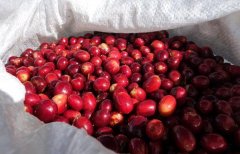
Kenya Mulanganieri and other coffee producing areas Sika Asalia Starbucks Kenyan coffee bean flavor
Although coffee cultivation in Kenya started relatively late, the industry has gained and maintained an impressive reputation. Since the beginning of production, Kenyan coffee has been recognized for its high quality, careful preparation and exquisite flavor. Position in world production: # 18 average annual output: 800000 (60 kg bags) Common Arabica varieties: SL28, SL34, K7,

Production time of Brazilian coffee beans introduction to the processing methods and main producing areas of Brazilian coffee bean planting system
Professional coffee knowledge exchange more coffee bean information please follow the coffee workshop (Wechat official account cafe_style) Brazil has seven states producing coffee, a total of 14 coffee producing areas, the following details of these Brazilian coffee producing areas. Sao Paulo State (Mogiana, Centro-Oeste) Parana State (Norte Pionerio do Paran) Bahia State (Planaltoda)

Introduction to the main Coffee producing countries in the World
JAVA Market name: Blawan, Jampit. KENYA: Kiambu, Thika, Ruiru, Meru, Embu, Kisii. Market name: Kenyas, Nairobi. Madagascar (MADAGASCAR) producing areas: North West, Central East, South East. Market name: Madagascarian. Mexico (MEXIC

Introduction to the export taste of Ugandan coffee flavor production
In Uganda (Uganda), Arabica coffee beans account for only 10 per cent of the country's total coffee production, but it is enough to attract attention. Uganda's best coffee is mainly produced in the mountains of Elgon and Bugisu along the Kenyan border in the north and Ruwensori in the west, and is available for export in January or February of each year. Red

Description characteristics of flavor and taste of Ugandan coffee brief introduction of manor planting varieties in producing area
The cultivation of coffee in Uganda is all small-scale family operation. The livelihood of 25% of the population is closely related to coffee production. About 500000 farms grow coffee, but mainly Robster. Robster accounts for 90% of coffee production, and the remaining 1 is Arabica coffee. Arabica and Live Buster are harvested from October to February of the following year. Ugandan coffee

Introduction of Robbs Special Coffee growing area in Uganda Coffee production area
Uganda's coffee production ranks first in Africa, accounting for more than 70% of its total exports. Uganda is also the hometown and main producing area of Robes specialty coffee. In the 1960s, Ugandan coffee production remained at 3.5 million bags a year. By the mid-1980s, coffee production had dropped to 2.5 million bags a year, mainly for political reasons. But now coffee production is on the rise again, which is large at present.

The production process and main ingredients of coffee
The coffee production process from the coffee fruit to the coffee in the cup requires a complex processing process. Coffee beans: peel the coffee beans from the coffee fruit. Roasting: is to cultivate the taste of coffee beans and mellow processing. The excellent roasting process allows the coffee beans to completely volatilize their unique taste and aroma. Grinding: grind roasted coffee beans into particles. Extract

The processing and sale of coffee partners
In 2013, Suzhou's agricultural exports totaled US $510 million, an increase of 8.4% over the same period last year, ranking first in the province for three consecutive years. It is reported that the vast majority of agricultural products exported are deeply processed products, including frozen vegetables, dairy products and vegetable oils, which are mainly sold to Asia, Europe, North America and other places. From a regional point of view, the total exports of Wujiang, Zhangjiagang and Kunshan accounted for more than half of Suzhou.